The Things I Used to Do to Escape My Mind vs. What I Do Now
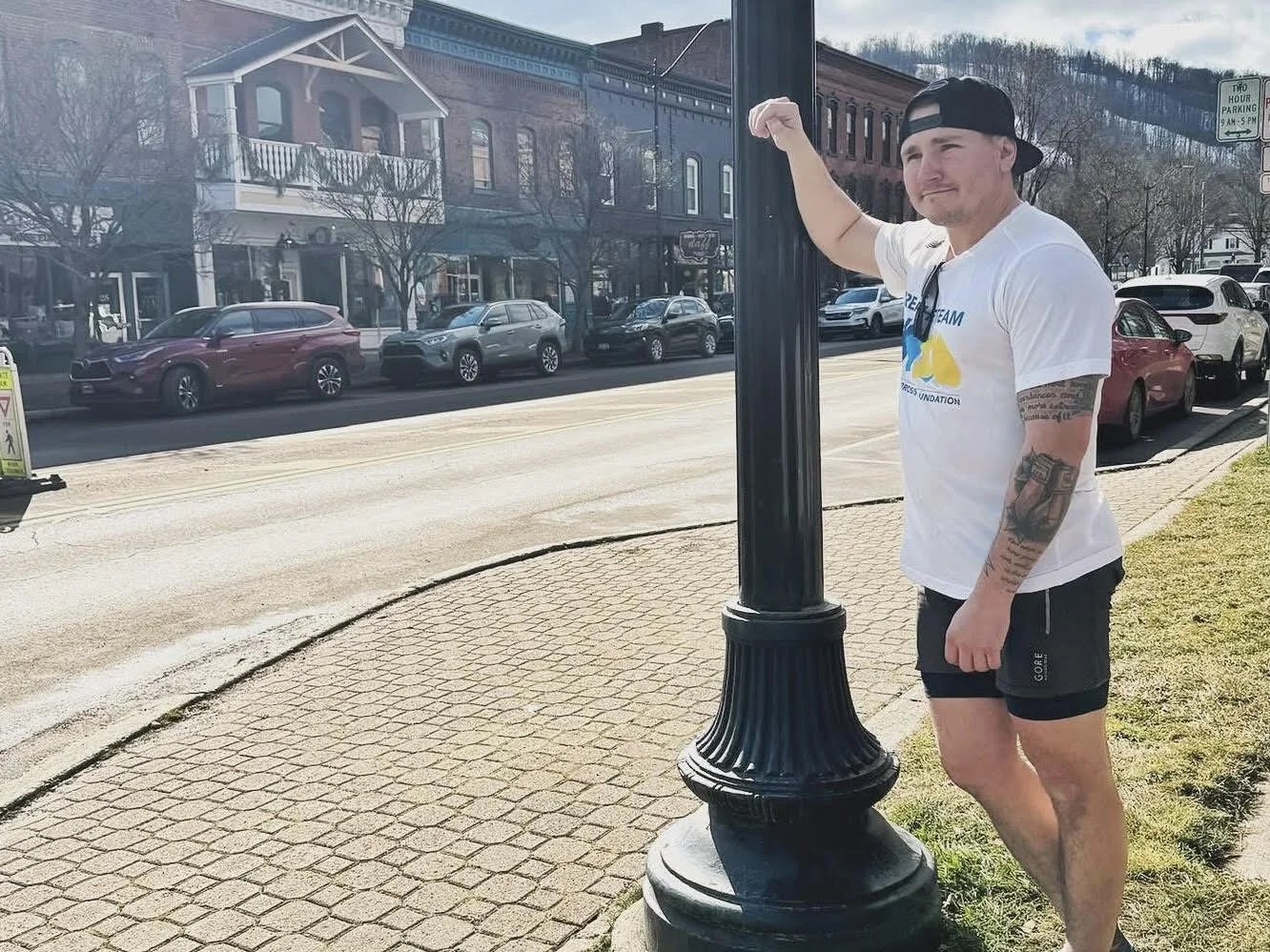
There was a time in my life when I would have done almost anything to get out of my own head. If you've never experienced severe anxiety, OCD, intrusive thoughts, or that feeling of being trapped inside your own mind, it's difficult to explain. From the outside, everything can look completely normal. You're talking to people, going to work or school, laughing, and doing whatever you're supposed to be doing, while on the inside your mind is running nonstop.
For me, that meant analyzing thoughts I didn't want, asking questions I couldn't answer, and convincing myself that I needed to figure everything out before I could finally feel okay. For a long time, I didn't understand what was happening to me. I didn't have names for everything I was experiencing, and I definitely didn't have healthy tools for dealing with it.
What I did understand was that I wanted relief. I wanted my brain to shut off for a while, and when you're desperate for relief, you'll sometimes reach for things that make you feel better temporarily even if they're making your life worse in the long run.
Looking back, I can see a major difference between the person I was then and the person I am now. For years, I tried to escape my mind. Today, I'm learning how to live with it.
Growing Up With a Body I Couldn't Escape Either
Mental health isn't the only part of my story. I was born with cystic fibrosis, so from a young age I knew my health was different. Treatments, medications, doctor's appointments, coughing, lung function, infections, hospitalizations, and thinking about my health were simply part of life.
There's something strange about growing up knowing your body requires constant maintenance. Most kids aren't thinking about protecting their lung function or what their health might look like years down the road. I was. Even when I didn't want to think about cystic fibrosis, it was still there waiting for me.
As I got older, there were times when I became tired of dealing with it. I didn't want another breathing treatment. I didn't want to think about being sick or be reminded that I had a disease I couldn't simply decide to stop having. At the same time, there was everything happening inside my head that I didn't understand either.
In some ways, I felt trapped between a body I couldn't escape and a mind I didn't understand. I didn't choose cystic fibrosis, and I certainly didn't choose the thoughts and anxiety that would eventually become such a significant part of my life. For a long time, though, I didn't know what to do with either of them, so sometimes I tried not to deal with them at all.
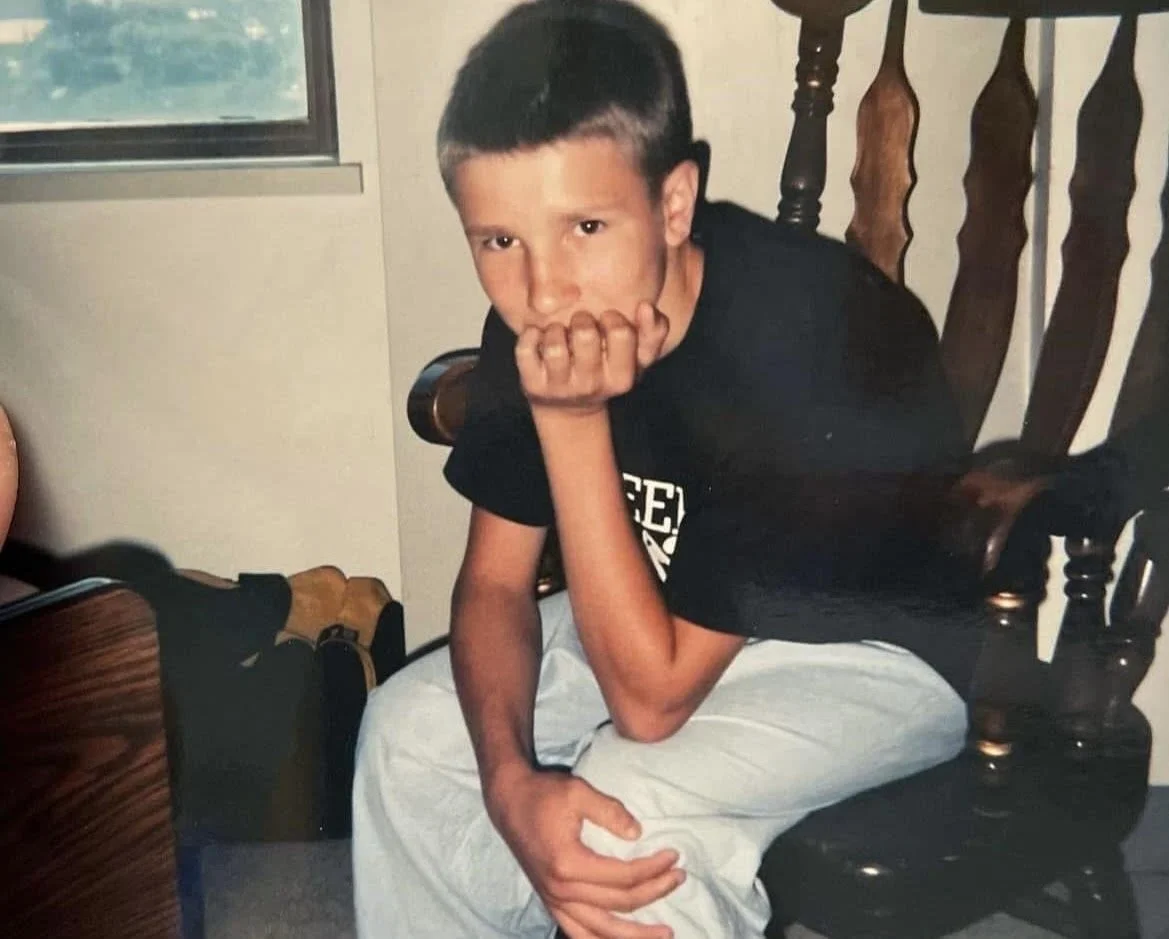
When Your Own Thoughts Scare You
OCD is difficult to explain to someone who thinks it simply means liking things clean or organized. That hasn't been my experience with it. For me, OCD has involved intrusive thoughts, obsessive questioning, and getting caught in mental loops that can feel impossible to shut down.
I've experienced thoughts that scared me precisely because they went against who I believed I was. I've questioned what thoughts meant about me, whether I could trust myself, whether something terrible could happen, and why my brain would even produce certain thoughts in the first place. Then the analyzing starts: Why did I think that? What does that mean? What if I actually wanted that? What if I lose control? What if this feeling never goes away? What if I'm losing my mind?
You answer one question and your brain produces another. You find reassurance and feel better for a few minutes, and then another doubt appears. You try desperately to get back to feeling "normal," which ironically can make you monitor your thoughts and feelings even more closely.
There have been periods when my own brain felt like the place I least wanted to be. When I was younger, I didn't understand that cycle. I just knew I wanted it to stop.
I Found Ways to Turn the Volume Down
One of the ways I tried to escape was alcohol. From my late teenage years into my early twenties, drinking became a significant part of my life. At the time, it was easy to call it being young, partying, having fun, or doing what everyone else was doing, but looking back with the perspective I have today, I can see that there were times I was doing much more than partying. I was self-medicating.
Alcohol could temporarily turn the volume down. When you're drunk, maybe you don't analyze every thought quite as much. Maybe the anxiety feels further away, or you're distracted enough that whatever has been tormenting you inside your head gets quieter for a few hours. The problem was that I wasn't actually solving anything.
The next day my mind was still mine. Cystic fibrosis was still there, whatever I was afraid of was still there, and now I might also be hungover, exhausted, dehydrated, anxious about something I'd done the night before, or neglecting the treatments I needed to do to take care of myself.
I was escaping for a few hours and paying for it afterward.
Sometimes Escaping Looked Healthier
Alcohol wasn't the only form of escape, and this is something I've had to understand about myself as I've gotten older. Sometimes escape can disguise itself as something positive.
Exercise has been one of the greatest things in my life. Running has helped my physical health, my lungs, my confidence, and my mental health. Strength training has been part of my life for years, exercise became my career, and eventually I built Warrior Fitness & Wellness around helping other people experience what movement can do for them.
But I've also learned that there's a difference between using exercise as a healthy outlet and using exercise because you're desperately trying to outrun what's happening inside your head. I've pushed myself incredibly hard physically. I've run distances most people would never consider attempting, I love finding my limits, and I don't think there's anything wrong with voluntarily choosing difficult things. That's part of who I am.
What I've had to learn is that suffering physically doesn't automatically resolve suffering mentally. You can run 20 miles and still have OCD when you finish. You can lift until you're exhausted and still have anxiety waiting for you when you get home. You can stay unbelievably busy running a business, coaching people, training, planning the next goal, and filling every hour of your day, but eventually you're still alone with your thoughts.
There isn't a distance long enough to permanently outrun your own mind.
Eventually, Escaping Stopped Working
At some point, I had to accept something I really didn't want to accept: I wasn't going to think, drink, run, work, or distract myself out of having a human brain. I needed to learn how to live inside my own head instead of constantly trying to find the emergency exit.
That didn't happen overnight. There wasn't some movie moment where everything suddenly made sense and I became a completely different person. It has taken years, and I'm still working on it.
The biggest change has been understanding that feeling uncomfortable doesn't always mean something needs to be fixed immediately. A scary thought can exist without me solving it. Anxiety can be present without me having to make it disappear. I can feel uncertain without finding absolute certainty, and I can have a difficult day without deciding I'm back at square one.
Those ideas sound simple written on a page. Living them when your brain is screaming for reassurance is a completely different story.
Therapy Gave Me Somewhere to Stop Running
Therapy has helped me understand things about myself that I couldn't understand when I was younger. It gave me a place to talk about thoughts that felt too frightening, strange, or embarrassing to say out loud, and that mattered tremendously with OCD.
When something inside your head scares you, your instinct can be to hide it. You think, If I tell someone this thought, what will they think about me? So you keep it inside, analyze it privately, and sometimes make the fear even bigger.
Therapy helped me understand that thoughts are thoughts. I don't need to assign meaning to every one of them, prove why I had one, or spend hours investigating whether a thought says something about my character. Most importantly, therapy helped me begin replacing avoidance with acceptance.
Instead of constantly asking, How do I make sure I never feel this again?, I've learned to ask, How do I continue living my life even when I feel this? That's a completely different way of approaching mental health.
Medication Became a Tool Instead of Something to Be Ashamed Of
Medication has also been part of my journey. I'm comfortable saying that now, although I understand why people can struggle with the idea of needing medication for their mental health. I've learned not to view it as a personal failure.
I take medications and treatments to manage cystic fibrosis, and I don't wake up embarrassed that my body needs help managing a genetic disease. Eventually, I started giving my mental health some of that same compassion.
Medication didn't give me a different personality. It didn't erase every intrusive thought or guarantee that I'd never experience anxiety again. It became another tool that, along with therapy and the other things I do, helps me manage my mental health.
I stopped expecting one thing to save me. Instead, I started building a toolbox.
Journaling Helps Me Put the Noise Somewhere
There are times when my mind feels like there are a hundred conversations happening simultaneously. Business. Family. Running. Cystic fibrosis. Money. The future. Something I said yesterday. Something that might happen six months from now. A thought I don't like. A question I suddenly feel like I need answered.
Journaling gives me somewhere to put some of that noise. I don't journal because I think writing a sentence in a notebook magically makes anxiety disappear. Sometimes I simply need to take what's bouncing around inside my head and put it somewhere I can actually see it.
Writing slows me down. It allows me to recognize patterns and separate what's actually happening from the story my anxious mind may be building around it. Sometimes I write about things I'm struggling with. Other times I write about goals, gratitude, family, business, or where I want my life to go.
Instead of trying to numb everything, I'm giving myself an opportunity to process it.
Exercise Is Still One of My Greatest Tools—But I Use It Differently
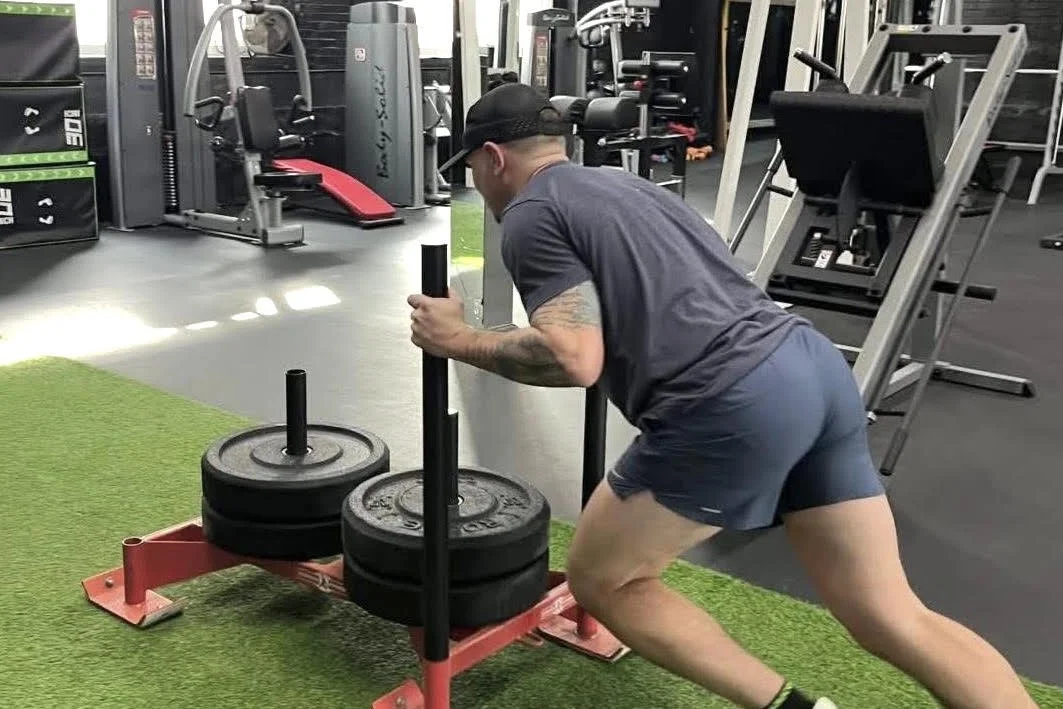
I still run when my mind is loud, and I still lift weights when I'm stressed. I still love the feeling of physically exhausting myself, pushing through something difficult, and discovering what my body can do. The difference is that I no longer expect exercise to fix everything.
There are days when a run genuinely makes me feel dramatically better. There are also days when I can finish a great workout and still feel anxious, and I've learned that both can be true.
Exercise is an outlet and something that supports both my physical and mental health, especially while living with cystic fibrosis. But it isn't an escape hatch anymore. I'm not running away from my mind. I'm running while bringing my mind with me.
That distinction has taken me years to understand.
My Relationship With Cystic Fibrosis Changed Too
My relationship with cystic fibrosis has evolved in a similar way. When I was younger, there were times I wanted to ignore it. Treatments were annoying. Being different was annoying. Thinking about my health was exhausting. Drinking and neglecting treatments certainly didn't make CF disappear; it just made me worse at taking care of the body I had been given.
Today, I look at it differently. I still don't love having cystic fibrosis, and I'm not going to pretend every difficult thing in life needs to become some inspirational gift. If someone offered me a cure tomorrow, I'd happily take it.
But CF has taught me how valuable health is. It's taught me that being able to run is a privilege, being able to lift weights is a privilege, and waking up and breathing well enough to go live my life is something I don't want to take for granted.
Instead of escaping my body, I've learned to invest in it.
Becoming a Husband and Dad Changed the Stakes
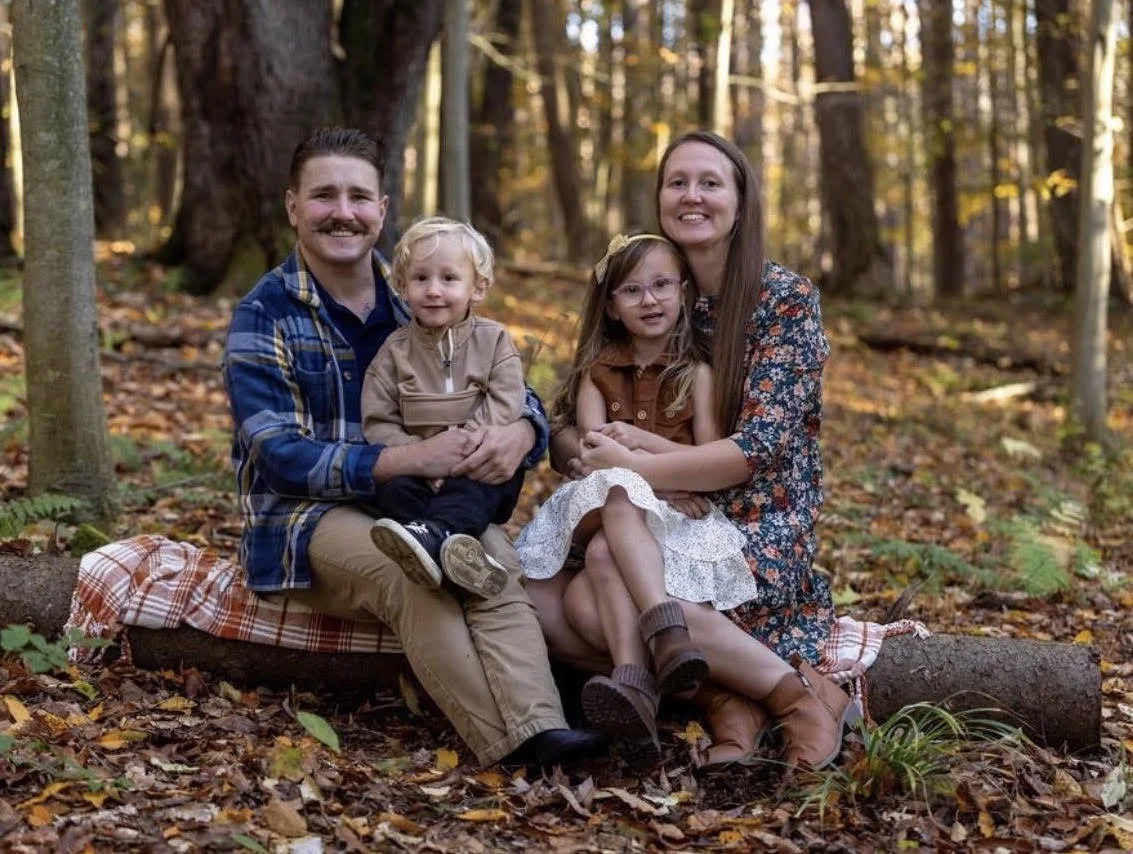
There's another major difference between the person I was then and the person I am now. Back then, many of my decisions primarily affected me. Today, that's not true. I'm a husband and a dad. There are people I love who need me, and there are people I desperately want to be around for.
That changes the way I think about taking care of myself. Doing my treatments matters because I want more years with my family. Exercise matters because I want to be an active father, not simply someone who happens to be alive. Working on my mental health matters because being physically present isn't enough; I want to be mentally and emotionally present too.
There are still days when taking care of myself feels like work. There are treatments I'd rather skip, workouts I don't feel like doing, therapy conversations that aren't comfortable, and thoughts I'd rather not experience. But my reason for facing those things has become much bigger than me.
What I Used to Do vs. What I Do Now
When I look back, the biggest difference isn't that my life stopped being difficult. I still have cystic fibrosis. I still have OCD and experience anxiety. I still have intrusive thoughts sometimes. I own a business that can be stressful, I'm raising a family, I'm training for enormous goals, and I still have days when my mind is louder than I'd like it to be.
The difference is what I do when those things show up. I used to drink to quiet my mind; now I talk about what's happening. I used to neglect my health because dealing with CF felt exhausting; now I take responsibility for protecting the health I have. I used to believe scary thoughts required answers; now I'm learning that uncertainty can exist without me solving it.
I used to try to numb uncomfortable feelings. Now I journal, go to therapy, exercise, use medication with professional guidance, and allow myself to experience feelings without immediately trying to escape them.
I used to think strength meant being able to tolerate more pain. Today, I think strength means being willing to face what's actually there.
I'm Still Learning How to Stay
I don't want this story to have a fake ending where I tell you I've figured everything out, because I haven't. There are still times when I'd love to flip a switch and make my brain quiet. There are still moments when anxiety feels convincing, thoughts I don't like having, days when CF is frustrating, business is stressful, life feels heavy, or I don't feel like doing the things I know are good for me.
The difference is that I don't spend my life searching for ways to escape anymore. I'm learning how to stay with uncertainty and uncomfortable feelings, stay committed to my health, stay present with my family, and stay in the conversation when something is difficult.
Maybe that's what healing has looked like for me. Not eliminating every uncomfortable thought or feeling, but building a life that's meaningful enough that I don't want to keep escaping from it.
Maybe You Have an Escape Too
You don't need to have OCD or cystic fibrosis for any of this to apply to you. Maybe your escape is alcohol. Maybe it's food. Maybe you bury yourself in work. Maybe you're constantly on your phone because silence gives you too much time to think. Maybe you exercise obsessively, shop, gamble, sleep, isolate yourself, or keep your schedule so full that you never have to sit alone with what you're feeling.
I'm not saying every distraction or coping mechanism is unhealthy. Sometimes watching a movie, going for a run, having dinner with friends, or simply giving yourself a break is exactly what you need. There's a difference between taking a healthy break from something difficult and organizing your life around never having to face it.
That's the question I think is worth asking: Are you taking a break from your problems, or are you building your life around avoiding them?
I know what avoiding them eventually did to me.
I Don't Want to Escape My Life Anymore
At 17, 18, 20, or 23 years old, I couldn't have imagined much of the life I have today. I couldn't see the gym I'd eventually own, the people I'd have the opportunity to coach, myself becoming a husband and father, the miles I'd run, the challenges I'd take on, or the people who would someday hear my story.
During some of my darkest moments, I was so focused on getting through what was happening inside my head that I couldn't see very far beyond it. I'm grateful I stayed long enough to see what came next.
Today, I don't need my life to be free from anxiety to appreciate it. I don't need every intrusive thought to disappear before I can have a good day. I don't need cystic fibrosis to disappear before I can be grateful for what my body can do, and I don't need to escape my mind in order to live inside my life.
I take care of my body, work on my mind, ask for help, run, lift, journal, go to therapy, take medication, spend time with my family, and keep setting goals that scare me. When my mind gets loud, I remind myself that I've been there before. I don't have to run from it anymore. I can let it be loud and keep living anyway.
For me, that's a completely different kind of strength.