Skinny Doesn’t Mean Healthy: Why We Need to Stop Chasing a Smaller Body
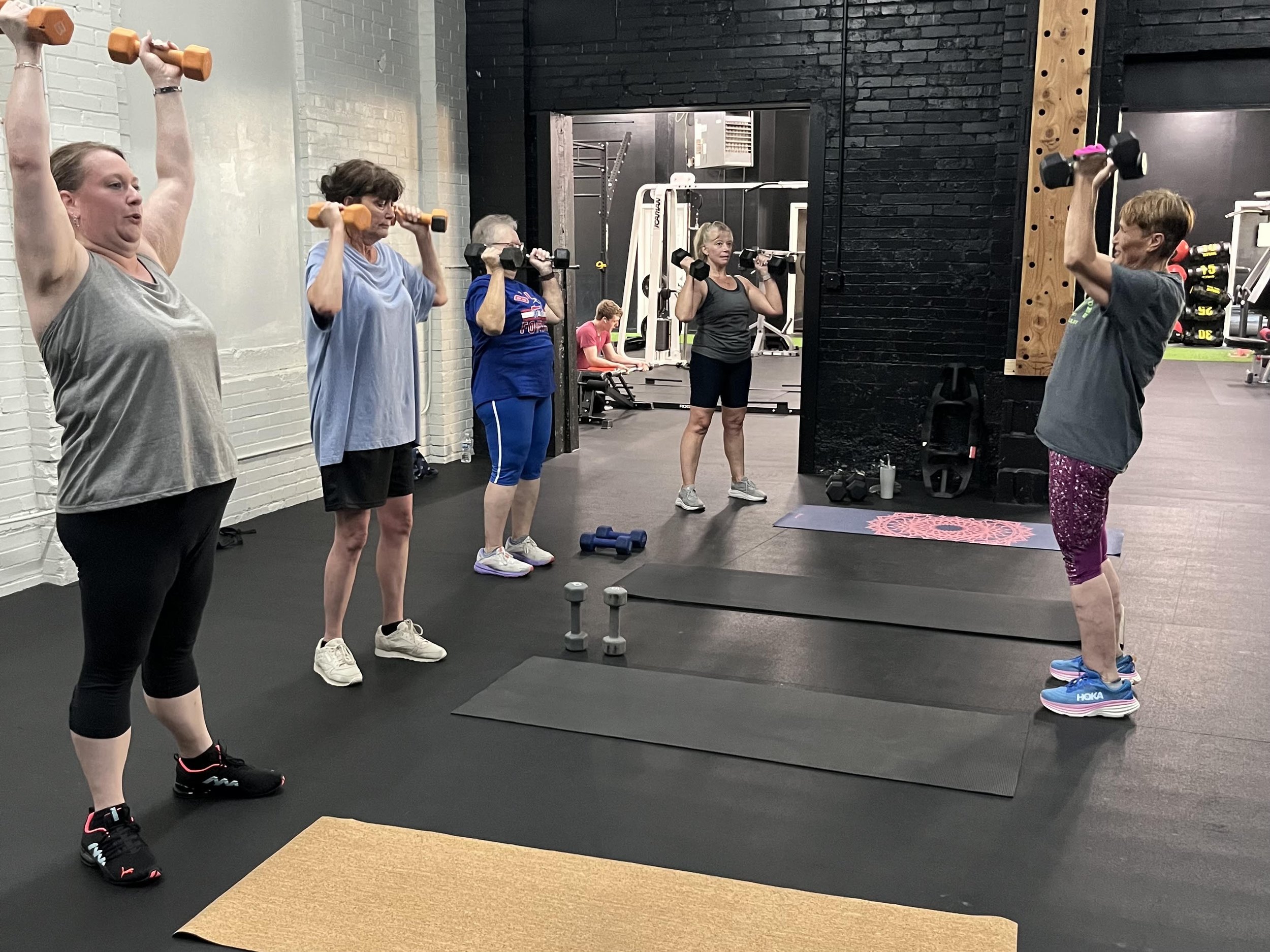
Health isn't defined by a number on the scale or a certain body type. Building strength, staying active, and becoming more capable are victories worth chasing at every age.
For a long time, we’ve been taught to associate being skinny with being healthy. We see someone lose 10, 20, or 30 pounds and immediately assume they must be healthier than they were before. Before-and-after pictures get posted, the number on the scale gets celebrated, and getting into a smaller clothing size becomes the ultimate sign of success. But the older I get and the longer I work in the fitness industry, the more I think we need to ask a different question: Did that person actually become healthier, or did they simply become smaller?
Someone can be skinny and rarely exercise. They can eat poorly, smoke, drink regularly, sleep five hours a night, have very little muscle, and struggle walking up a flight of stairs without getting winded. At the same time, someone in a larger body may strength train several days a week, eat nutritious foods, have good cardiovascular fitness, and continue improving their health. We simply cannot look at someone's body—or the number on their scale—and know the entire story of their health.
When Did Smaller Become the Goal?
I want to make something clear before going any further: I'm not against weight loss. If someone is carrying excess body fat and wants to lose it, fat loss can absolutely be an appropriate goal. I work with clients who want to lose body fat, change how their clothes fit, feel more confident, and improve their health. There is nothing wrong with any of those goals.
The problem begins when getting smaller becomes more important than getting healthier. If the only goal of a program is to make the scale decrease as quickly as possible, there are plenty of ways to accomplish that. Dramatically decrease calories, increase activity, and chances are the number on the scale is going to start moving. When it happens quickly, it can look impressive, but the number itself doesn't tell me enough to decide whether what we're doing is actually working.
If someone tells me they've lost 15 pounds, I want to know more. How much body fat did you lose? Did you maintain your muscle? Are you getting stronger or weaker? How are your workouts going? Are you eating enough to support your activity? How is your energy throughout the day? Are you recovering between workouts? Most importantly, is what you're doing something you can realistically maintain six months or a year from now? Those answers tell us much more about someone's progress than simply saying, "I lost 15 pounds."
Eating Less Isn't Always Better
Calories have become the enemy in a lot of weight-loss conversations. People start to believe that if reducing calories produces weight loss, then drastically reducing them must produce even better results. Combine that with frequent workouts and cardio, and yes, you're probably going to see the scale move. Your body is being asked to expend a lot of energy while receiving considerably less energy in return.
But our bodies need fuel. If you're strength training, doing cardio, working all day, raising kids, dealing with stress, and trying to recover between workouts, you're asking a lot from your body. Food provides the energy and nutrients needed to support those demands, and consistently under-fueling yourself isn't something I believe we should celebrate simply because the scale is moving.
There is an important difference between creating an appropriate calorie deficit for fat loss and simply trying to eat as little as possible. When someone combines aggressive calorie restriction with frequent exercise, performance and recovery can suffer, and inadequate nutrition can make preserving muscle more difficult during weight loss. You may be getting lighter, but that doesn't automatically mean everything happening underneath the surface is positive.
What Are You Actually Losing?
This is one of the biggest reasons I've become much more interested in body composition than body weight alone. Imagine two people who both lose 10 pounds over a period of time. On a traditional bathroom scale, their results look identical, but what happened inside their bodies could be very different.
One person may have lost primarily body fat while preserving lean muscle through strength training, adequate protein, proper nutrition, and recovery. The other person may have lost a combination of body fat and muscle because they were severely restricting calories, under-fueling their workouts, and not recovering properly. Both people can step on the scale and see the exact same 10-pound loss, but I wouldn't automatically consider those outcomes equal.
This is also one reason we use our InBody Body Composition Analyzer at Warrior Fitness & Wellness. An InBody scan doesn't define someone's health either, but it gives us additional information that a regular bathroom scale cannot provide. Instead of looking only at total body weight, we can also pay attention to things like skeletal muscle mass and body fat and see how someone's body composition is changing over time.
For example, imagine a client loses only two pounds on the scale but loses five pounds of body fat while gaining three pounds of muscle. If they were judging their progress entirely by their bathroom scale, they might be disappointed and think all of their hard work isn't paying off. I'm looking at those same numbers and seeing a completely different story. Their body is changing, they're preserving or building valuable muscle, and they're moving toward a healthier body composition even though the scale barely changed.
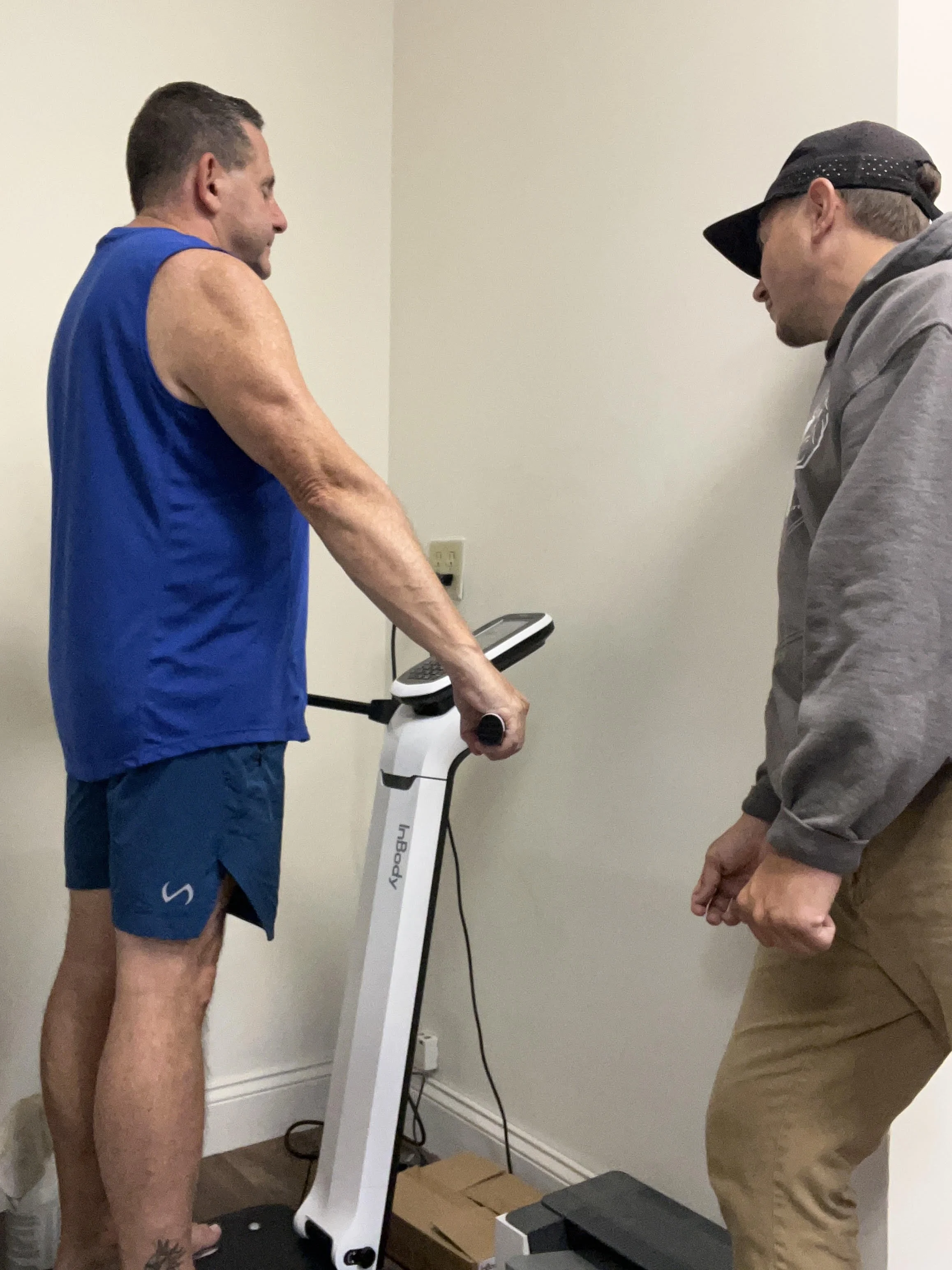
The scale only tells you how much you weigh—it doesn't tell you what that weight is made of. Using tools like our InBody allows us to look deeper at body composition, including skeletal muscle mass and body fat, so we can focus on more than simply getting smaller.
Muscle Matters More Than Most People Realize
Instead of constantly asking, "How skinny can I get?", I would love to see more people asking, "How strong can I become?" Muscle isn't something that only matters to bodybuilders, athletes, or twenty-year-olds trying to change how they look. Strength and muscle matter throughout our lives, and maintaining them becomes especially important as we get older.
Think about what strength allows you to do outside of the gym. It helps you carry groceries, pick up your kids or grandchildren, climb stairs, get off the floor, work around your house, travel, play recreational sports, maintain your balance, and continue participating in the activities you enjoy. Those things might not seem important when you're 25, but they become increasingly important when you're 50, 60, 70, or 80.
That's one of the reasons I'm such a believer in strength training as we age. I don't care whether you're trying to become a competitive athlete or simply want to remain independent for as long as possible. Muscle is an asset, and strength is an asset. We shouldn't be so desperate to make the scale decrease that we're willing to sacrifice either one without considering the long-term consequences.
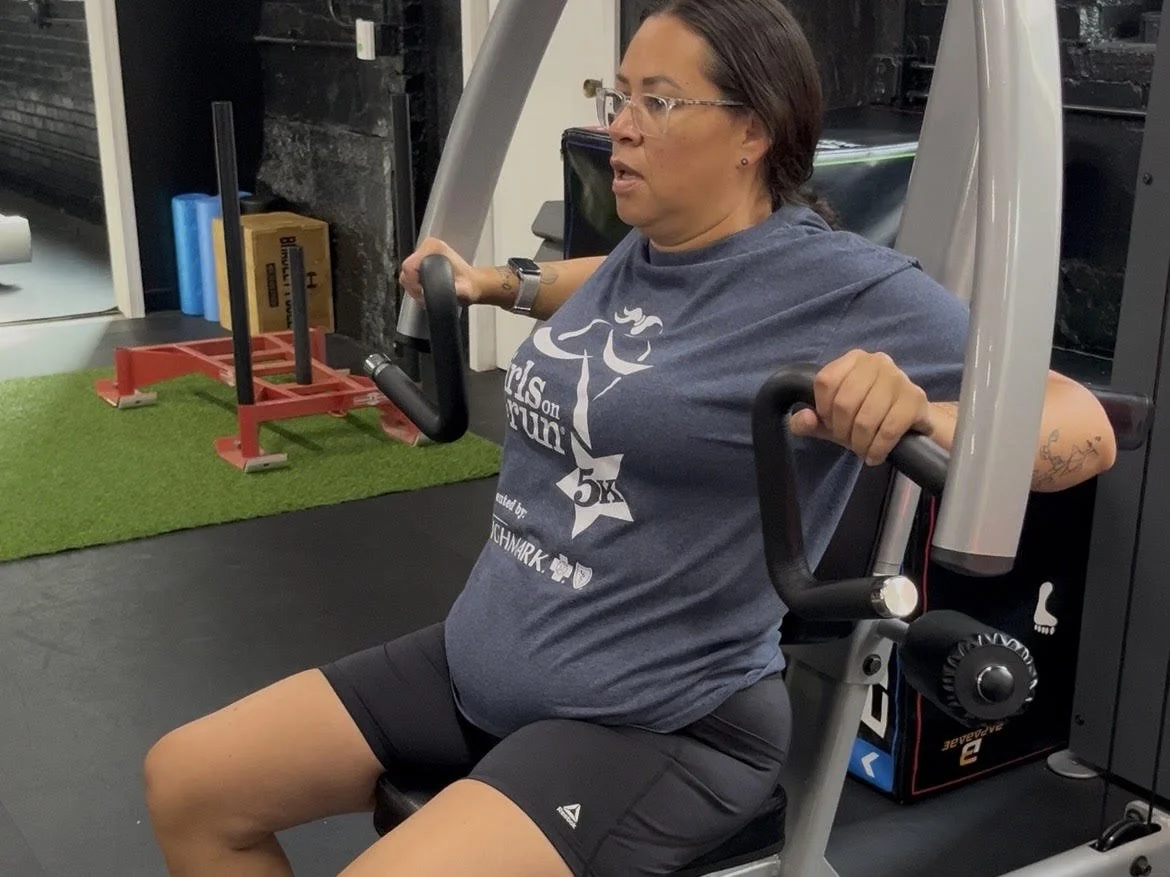
Strength training isn't about becoming a bodybuilder. It's about building muscle, confidence, and the physical ability to keep doing the things you love throughout your life.
Food Is Fuel, Not Something You Have to Earn
Another mindset I'd love to see disappear from fitness is the idea that food is something we need to earn through exercise. You ate pizza Saturday night, so now you need extra cardio Sunday morning. You had dessert, so you need to burn those calories off. You went off your diet over the weekend, so Monday's workout needs to be miserable enough to somehow make up for it.
That's not the relationship with food or exercise that I want for my clients. Exercise shouldn't constantly be punishment for what you ate, and food shouldn't be something you're afraid of. Nutrition obviously matters when you're trying to change your body composition, but food is also what provides your body with the energy and nutrients it needs to train, recover, build and maintain muscle, work, think, and function throughout the day.
Protein, carbohydrates, fats, vitamins, minerals, fiber, and hydration all have roles in our health and performance. Calories matter too, especially when fat loss is the goal, but eating as little as humanly possible isn't the same thing as having a good nutrition plan. I want people learning how to eat in a way that supports their goals while still allowing them to live a normal life.
Your Workout Should Build You Up, Not Constantly Break You Down
The same philosophy applies to exercise. A good workout doesn't have to leave you lying on the floor unable to move, and you don't need to burn the maximum number of calories every time you enter a gym. You also shouldn't have to spend hours doing cardio because you're terrified that eating more food or exercising less will immediately cause you to gain weight.
Training should challenge your body enough to create a reason for it to adapt, while also allowing enough recovery for those adaptations to actually happen. Anyone who trains with me knows I'm going to encourage them to work hard, but there needs to be a purpose behind that work. Over time, I want to see people lifting more weight, performing exercises better, improving their cardiovascular fitness, recovering well, and becoming more capable both inside and outside of the gym.
That's why I don't automatically view the hardest workout or the fastest weight loss as the best result. Harder isn't always better, less food isn't always better, and faster weight loss isn't always better. A smart program should challenge you, fuel you appropriately, allow you to recover, and move you toward something you can actually sustain.
Health Is Much Bigger Than What You Look Like
This conversation also goes in the opposite direction. Just as we shouldn't automatically assume a skinny person is healthy, we shouldn't automatically assume someone in a larger body is unhealthy simply by looking at them. Appearance gives us very little information about someone's habits, fitness, medical history, or overall lifestyle.
Instead of judging health entirely by body size, I'd rather look at the bigger picture. Does someone exercise regularly? Do they strength train? What does their nutrition generally look like? What's their cardiovascular fitness like? Do they smoke? How much alcohol do they consume? How do they sleep? How do they manage stress? What do their blood pressure and other health markers look like? Are they strong enough and fit enough to comfortably do the things they want to do in everyday life?
Body fat can absolutely be one part of that conversation, and excess body fat can be associated with increased health risks. I'm not suggesting that body composition doesn't matter. I'm saying it's one part of a much larger puzzle, and we need to stop reducing someone's entire health status to whether they look skinny in a photograph or what number appears when they step on a scale.
I Don't Want My Clients Simply Taking Up Less Space
My philosophy as a coach has changed over the years. Of course I want to help someone lose body fat if that's their goal, but I don't want the entire definition of their success to be making their body smaller. I don't want my clients simply taking up less space. I want them stronger, healthier, better fueled, more capable, and more confident than when they started.
I want to see the woman who was afraid to lift weights realize she's much stronger than she thought. I want the person approaching 60 to start thinking about what they want their body to be capable of at 70. I want the busy parent who thought they needed to exercise six days a week to realize that two or three consistent strength-training sessions can be incredibly valuable. I want people eating enough to support what they're asking their bodies to do, building muscle, improving cardiovascular fitness, moving better, and creating habits they can maintain.
If losing body fat is part of that journey, then let's work toward losing body fat too. But let's do it while paying attention to muscle, strength, nutrition, recovery, energy, performance, and how someone actually feels. Let's look at the whole person instead of allowing one number on a scale to decide whether they're succeeding.
Strong Over Skinny
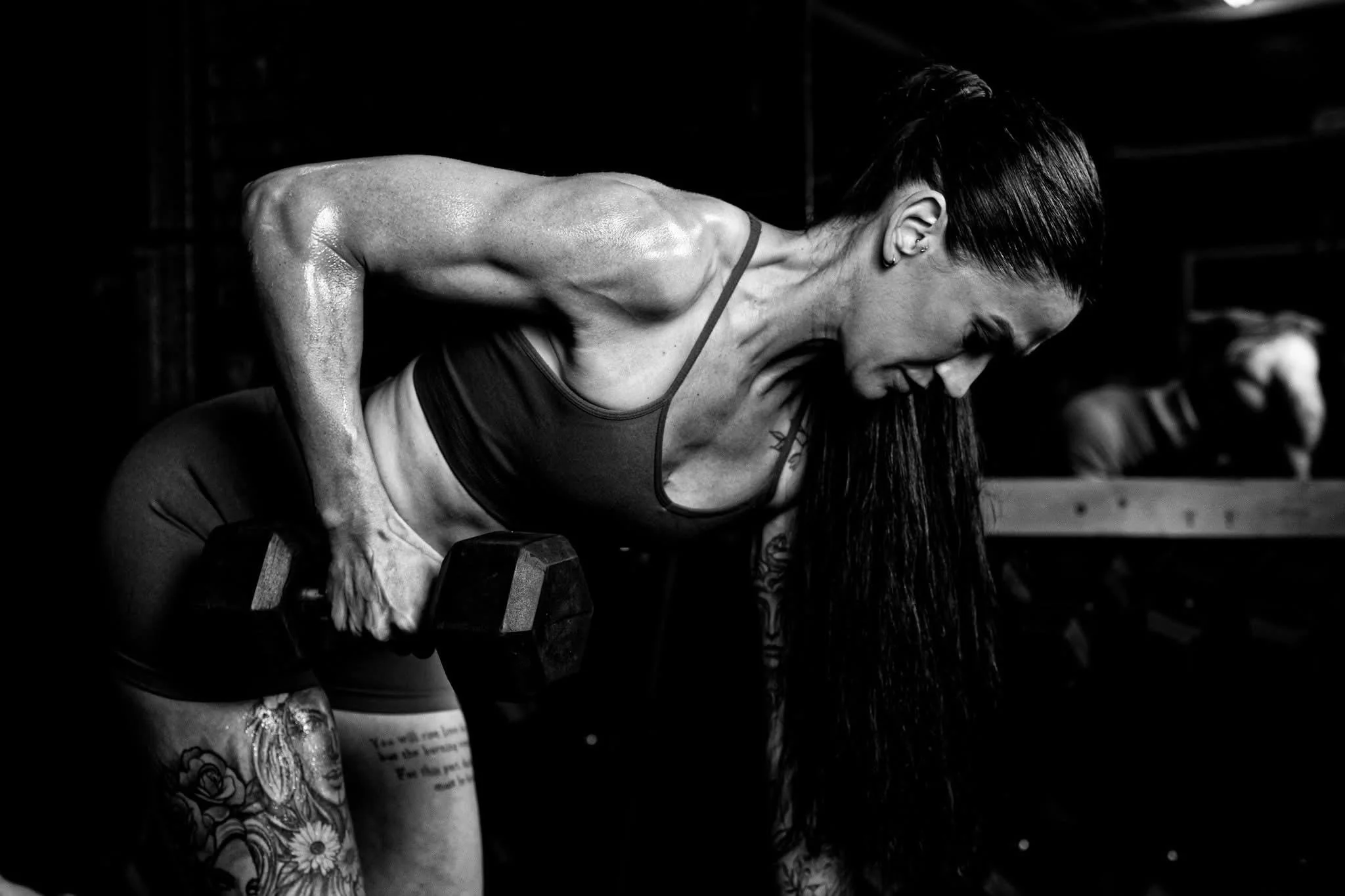
Don’t chase smaller. Chase stronger. Build muscle. Fuel your body. Take care of your health. Become more capable. That’s progress worth chasing.
I think the fitness industry has spent enough time convincing people that success means becoming smaller. It's time we start having a different conversation. We can still have fat-loss goals, but those goals don't need to come at the expense of everything else that makes our bodies healthy, strong, and capable.
Let's build muscle. Let's get stronger. Let's improve our cardiovascular health. Let's fuel our bodies properly and give them time to recover. Let's eat nutritious foods while still being able to enjoy our lives. Let's create habits that we can maintain instead of constantly jumping from one restrictive plan to another because we want the scale to move faster.
When you're 70 or 80 years old, I don't just want you to be able to tell me what you weigh. I want you to be able to show me what you can still do. I want you getting off the floor, carrying your own groceries, traveling, playing with your grandchildren, enjoying your hobbies, and having the strength and confidence to continue living your life.
That's the kind of progress I'm interested in, and that's what I want us chasing at Warrior Fitness & Wellness. Skinny doesn't automatically mean healthy, and getting smaller doesn't automatically mean you're moving in the right direction.
Let's stop chasing skinny and start chasing strong, healthy, and capable. That's a goal worth working for.